
Peptides: 5 molecules, their dosages, their effects
CJC-1295, GHRP-6, Hexarelin, Ipamorelin, Sermorelin: what they do, how to dose them, what to expect over the weeks.
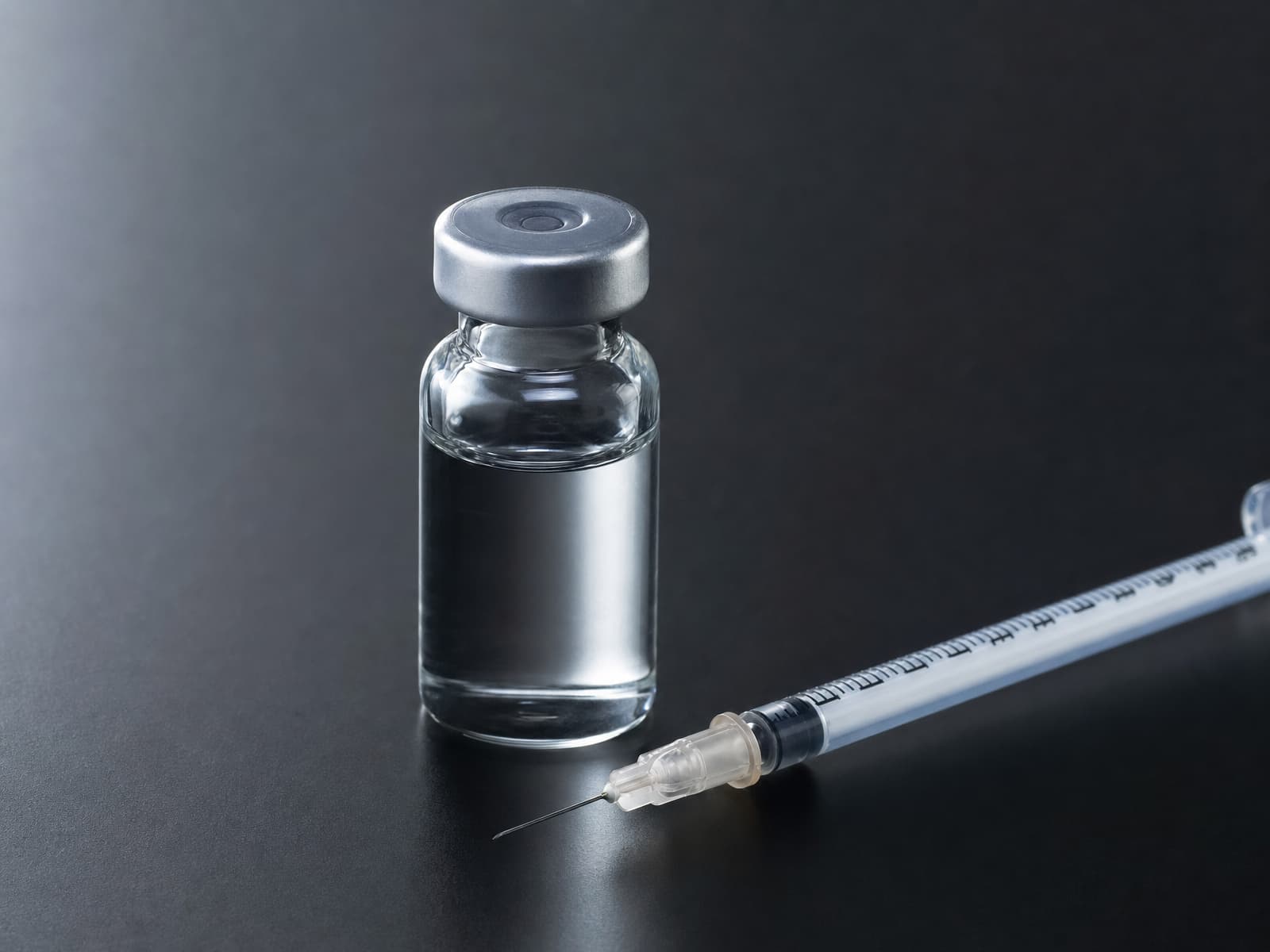
On paper, a peptide is nothing more than a short chain of amino acids. In practice, some of those chains, once the body recognises them, trigger the release of human growth hormone (HGH) and IGF-1, two key signals for muscle growth, recovery and fat burning.
That property is what makes peptides interesting for anyone looking to push a strength or lean-mass cycle further, without going for full synthetic hormones.
This guide walks through five must-know molecules, with their clinical dosages and how they work.
The 5 peptides to know
 01
01CJC-1295
CJC-1295 is a GHRH analog (growth hormone-releasing hormone). It extends the lifespan of the GH signal, which translates into HGH release spread over several days after a single injection.
Clinical dosage : 2,000 to 4,000 µg per week, in fractionated subcutaneous injections.
 02
02GHRP-6
GHRP-6 (growth hormone-releasing peptide 6) acts on the ghrelin receptor to stimulate GH release. Known for raising appetite, it's often used in mass cycles.
Clinical dosage : 100 to 300 mcg per day.
 03
03Hexarelin
Hexarelin is a synthetic, more potent form of GHRP. GH stimulation is sharp and fast, but receptor desensitisation limits cycle duration.
Clinical dosage : 200 to 400 mcg per day.
 04
04Ipamorelin
Ipamorelin is a second-generation GHRP, designed to stimulate GH without affecting cortisol or prolactin. Clean profile, suited to extended lean-mass cycles.
Clinical dosage : 100 to 200 µg per day.
 05
05Sermorelin
Sermorelin is a synthetic fragment of GHRH (the first 29 amino acids). Effect close to CJC-1295 but with a shorter half-life, which requires several injections per week.
Clinical dosage : 500 to 1,000 mcg per day.
When do the first results show?
Effects are never immediate. Allow about 12 weeks before noticing a meaningful difference in muscle mass and body weight. Larger gains show around 24 weeks.
Day-to-day energy and sleep quality shift earlier, often within the first few weeks.
As always, the numbers depend on training protocol, diet, sleep and individual physiology.
How peptides work
The mechanism plays out on several levers in parallel:
- Protein synthesis : the essential amino acids brought by peptides, leucine at the front, trigger protein synthesis in muscle tissue.
- HGH / IGF-1 axis : stimulation of the pituitary increases circulating HGH, which in turn triggers liver production of IGF-1, a direct anabolic hormone.
- Metabolism : HGH raises thermogenesis and shifts metabolism toward using fat as fuel, at the expense of adipose storage.
That combination is why peptides are also used in cutting cycles, not just in mass cycles.
Before you start
No peptide cycle should start without medical advice. Protocols, dosages and usage windows vary depending on profile, history and goals. The numbers shown here are standard ranges from the literature, to be adapted under supervision.